Technology
Get the Latest Technology Updates and Trend and many More.
What is Data Analysis?: Process, Types, Methods, and Techniques
Data analysis is a fundamental component of the ever-growing field of data science, a discipline that…
 Updated
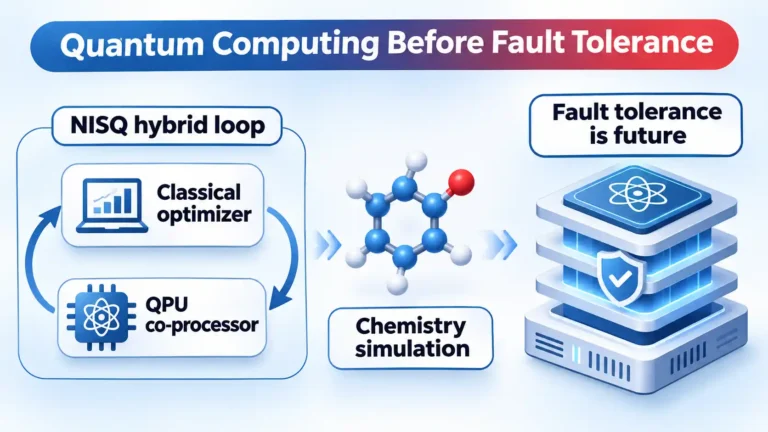
What Quantum Computing Can Realistically Do Before Fault Tolerance
Quantum hardware today is noisy and narrow. Chemistry simulation is the strongest fit, optimization needs a measured classical baseline, and the cryptography migration is the one production action available right now.

Why Live Betting Odds Can Show Up Before Your Stream Does
Live odds can beat your video stream because video travels as segmented, cached, buffered files while event data travels as small messages over persistent connections. Here is where each second of delay comes from, why markets lock, and what the bet-acceptance timer checks.
 Updated
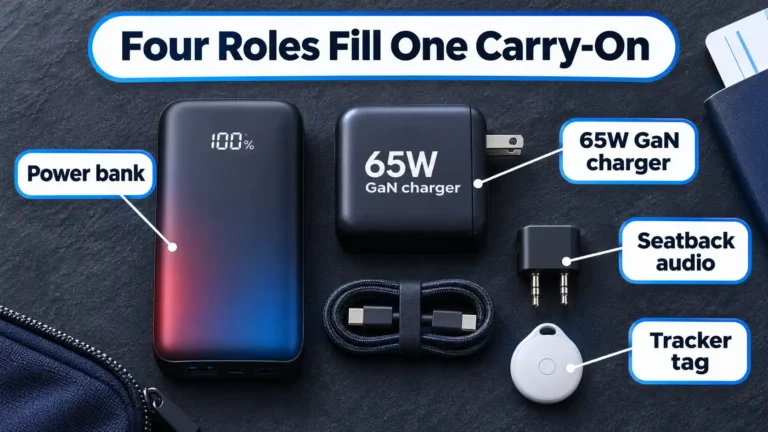
The Carry-On Tech Kit That Earns Its Weight
Most travel gadget piles are redundant weight. A lean carry-on kit needs four roles: a compliant power bank, a 65W multi-port GaN charger, a 3.5mm Bluetooth transmitter, and a tracking and data layer chosen by trip type. Here is how to pick each one and prove it works.
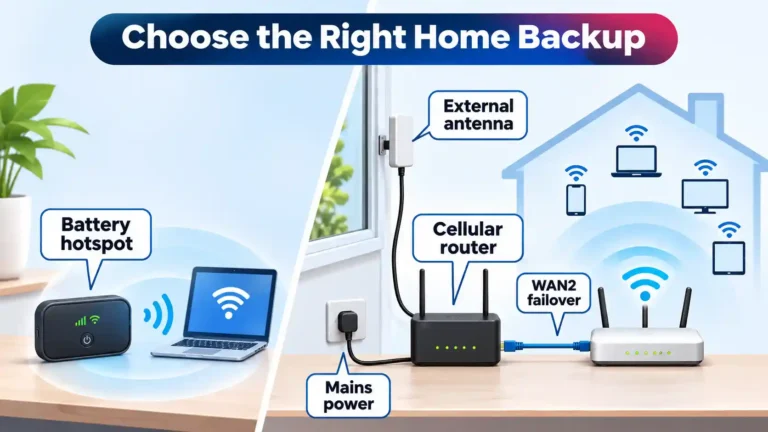
Mobile Hotspot vs. Cellular Router for Home Internet Backup: Which Fits Your Household?
A battery hotspot is a stopgap for a short, single-device outage. A cellular router is the better foundation when the whole home network must survive a fiber cut, provided your main router supports failover and your standby SIM is actually ready.
 Updated
FT8 vs JS8Call vs PSK31: How Weak-Signal HF Digital Modes Reach Long Distances
Weak-signal HF digital modes make efficient use of narrow signals, but they serve different operating goals. Compare FT8, JS8Call, and PSK31, then set up a clean transmit chain and accurate clock.

How Has Technology Enhanced the Soccer Fan Experience?
Soccer is the world’s most widely followed sport, and for good reason — no other game…
 Updated
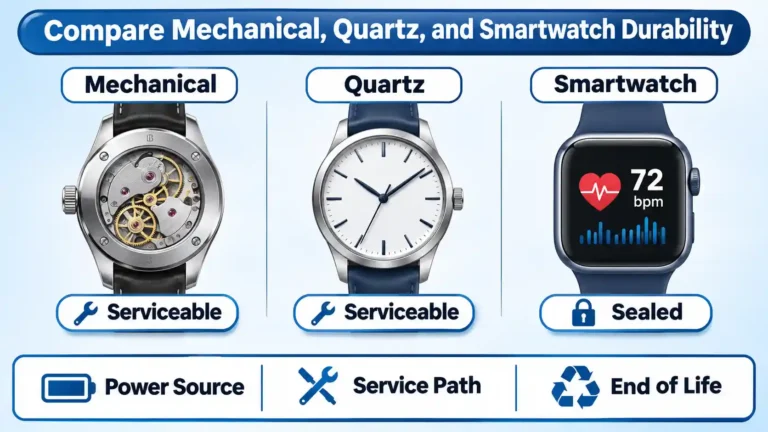
Mechanical vs. Smartwatch: Why Both Survive, and the Durability and Repairability Trade-Offs That Matter
Mechanical watches and smartwatches survive because they do different jobs. Mechanicals can be serviced for decades, smartwatches own health tracking and notifications, and quartz sits in between. Here is how durability, repair, and maintenance risk compare on identical criteria.
 Updated
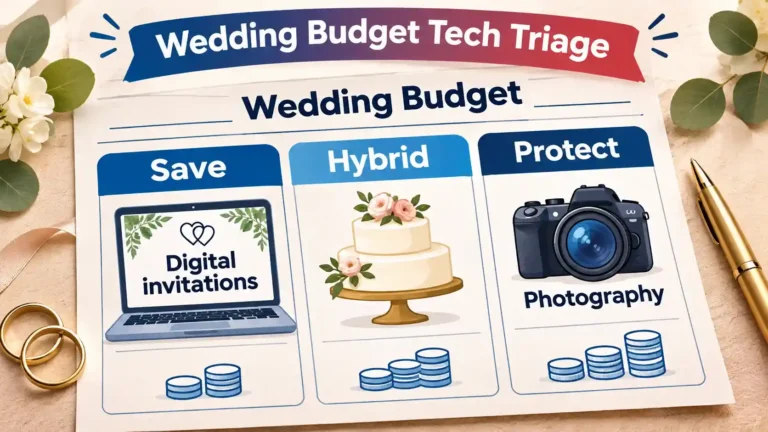
Can Tech Cut Your Wedding Budget? Where Digital Tools Save and What Still Needs a Pro
Technology trims wedding costs where paperwork and duplication pile up: stationery, postage, RSVP admin, attire and decor rentals, and remote guest access. It cannot replace a photographer or hold a dance floor together. Here is the save, hybrid, and protect split, with the numbers to check.
 Updated
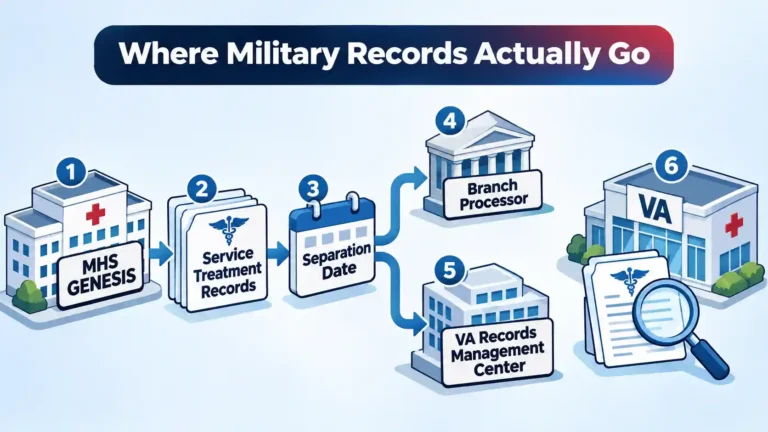
From Active Duty to Veteran Care: How DoD Health Records Reach the VA—and What to Verify
The DoD-to-VA record handoff is a chain of clinical systems, archives, and request workflows. Learn where records split by branch and separation date, what the shared federal EHR does and does not fix, and how to request, verify, and escalate.
 Updated
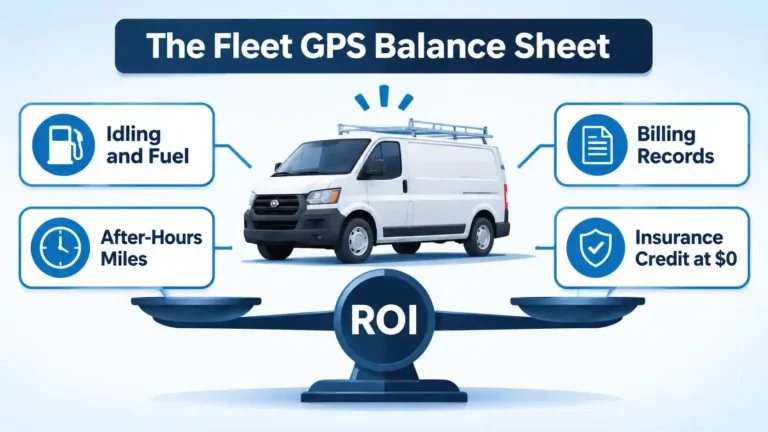
Does Your Small Business Need Fleet GPS Tracking? A Conservative ROI Guide
A practical, conservative way to decide whether fleet GPS tracking pays for a 3–30 vehicle operation: name the cost leak, measure it, price the whole system, treat insurance discounts as zero, and pilot before you buy.
 Updated
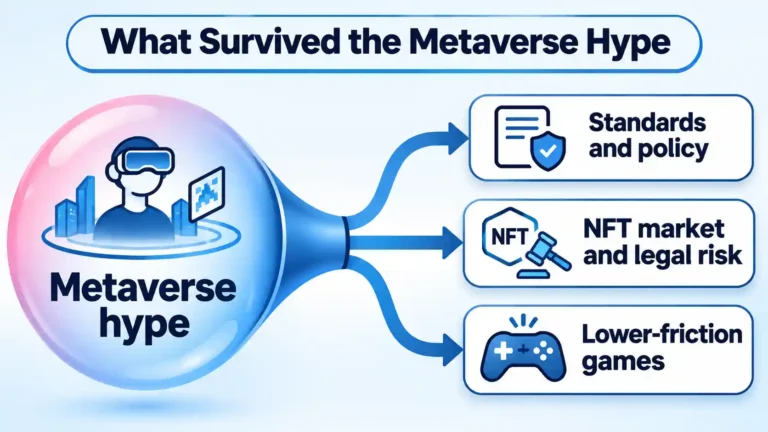
What Happened to the Metaverse Hype? Where NFTs and Virtual Gaming Stand Now
The metaverse hype cooled when speculation outran daily use. What remains is narrower and more practical: interoperability standards work, an NFT market under securities scrutiny, and game platforms that keep winning by being easy to enter.
 Updated
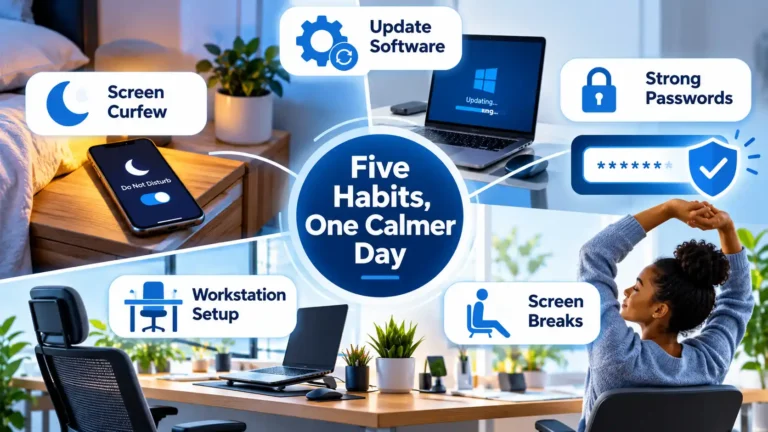
Everyday Tech Habits That Can Improve Sleep, Comfort, and Online Safety
Five habit clusters carry the real weight: automatic updates, long unique passwords in a password manager, an evening device curfew, a workstation fitted to your body, and attention to screen-related eye strain. Each is low-effort and backed by official guidance — none is a cure-all.
 Updated
How AR and VR Are Changing Social Media
Augmented reality adds interactive digital elements to the physical world, while virtual reality can place people inside shared digital spaces. This guide explains how AR and VR work across social media, current platform support, practical uses, and important limitations.
 Updated
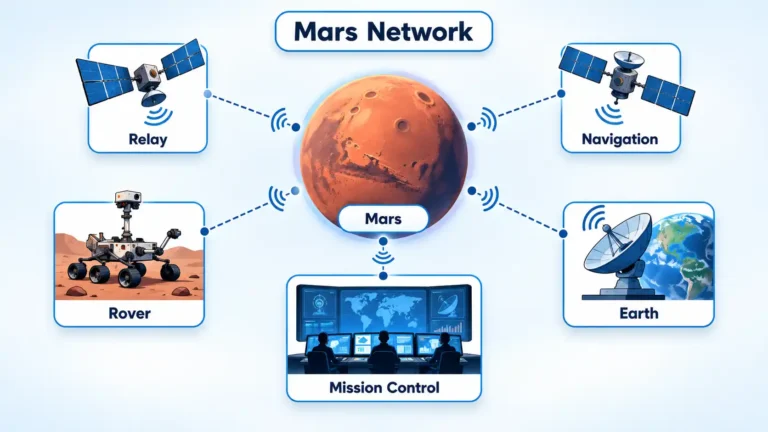
Satellite Platforms and Mars: How Orbiters Support Exploration and Future Human Missions
Mars orbiters already map the planet and relay rover data to Earth. New communications and navigation infrastructure could support more complex robotic and human missions, but satellite platforms remain only one part of the much larger challenge of sustained Mars exploration.
 Updated
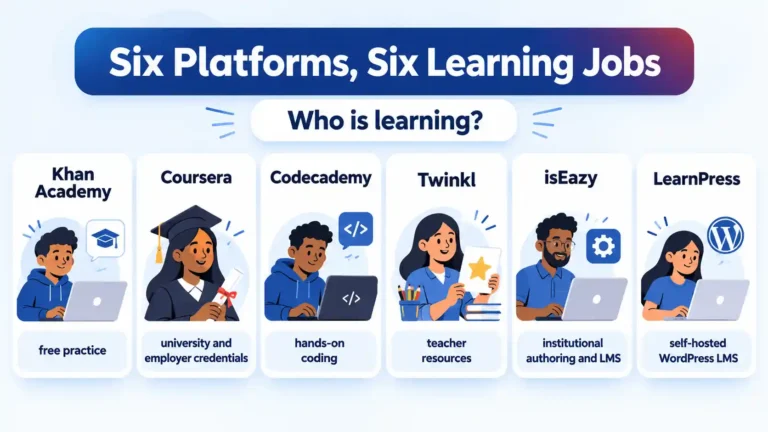
How Six Educational Platforms Fit Different Learners in 2026
Six educational platforms, six different jobs. A practical fit guide to Khan Academy, Coursera, Codecademy, Twinkl, isEazy and LearnPress, including the cost, credential and data checks to run before you commit budget.
 Updated
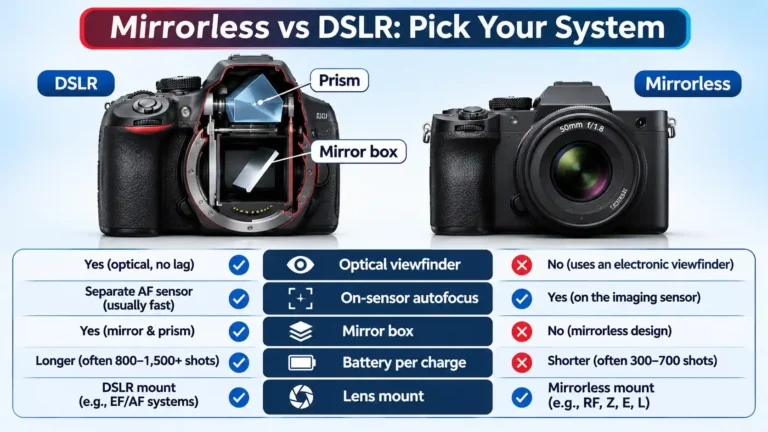
Mirrorless vs. DSLR in 2026: Which Camera System Fits How You Shoot?
Mirrorless is the stronger default for new-system, hybrid, and action shooters, while DSLRs remain rational for budget buyers, used-glass shoppers, and optical-viewfinder loyalists. This comparison walks the criteria — autofocus, viewfinder, battery, lenses, handling — and ends with conditional picks.
 Updated
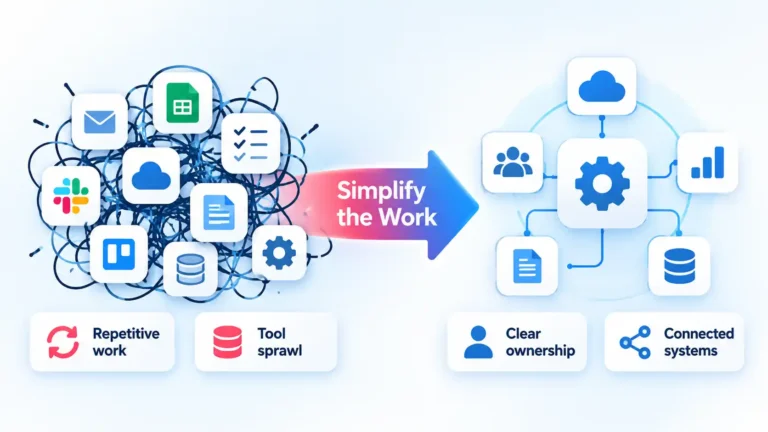
How to Simplify Your Business With Technology
Simplifying a business with technology starts with the workflow, not the software. Map unnecessary handoffs, remove duplicate work, automate predictable tasks, centralize ownership, connect systems carefully, protect access, and measure whether the new process is genuinely easier to operate.
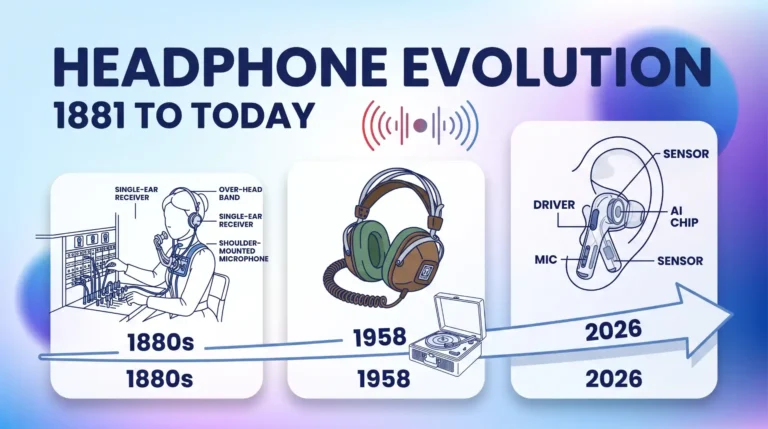
Tracing the Evolution of Headphones: From 1881 to Today
Headphones began as bulky 1880s telephone-operator gear and became today's AI-powered earbuds through five distinct eras: birth, dynamic sound, stereo, digital/wireless, and AI/spatial audio. This fact-checked timeline corrects a few commonly repeated myths along the way, including one about Koss.
 Updated
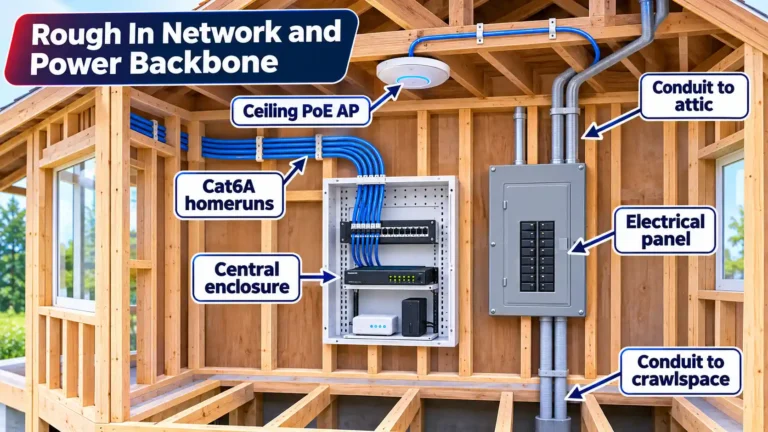
How to Rough-In a Smart-Home Network and Power Backbone Before Drywall
Rough-in is the cheapest week you get for home technology. Run the sequence in order: load calculation, enclosure and pathways, cable pulls, then continuity testing, labeling, and photos before insulation closes the walls.
 Updated
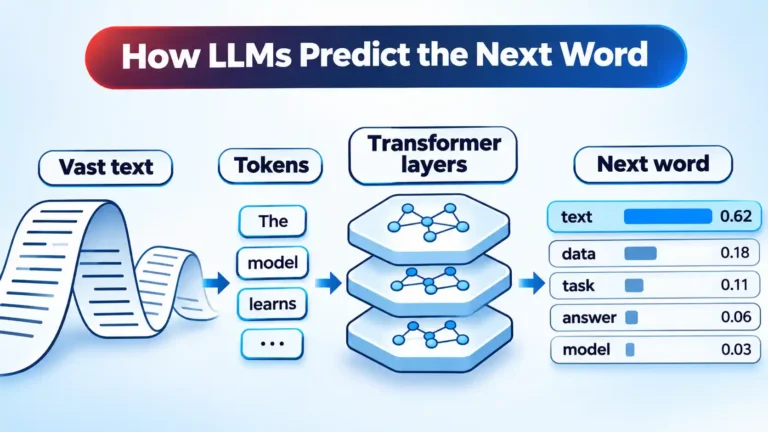
Large Language Models Explained: How They Learn, Generate Text, and Fit Into Real Work
Large language models are statistical language engines. This guide explains how they learn from text, how they generate answers token by token, and how to decide which workplace tasks are reasonable to hand over.
 Updated
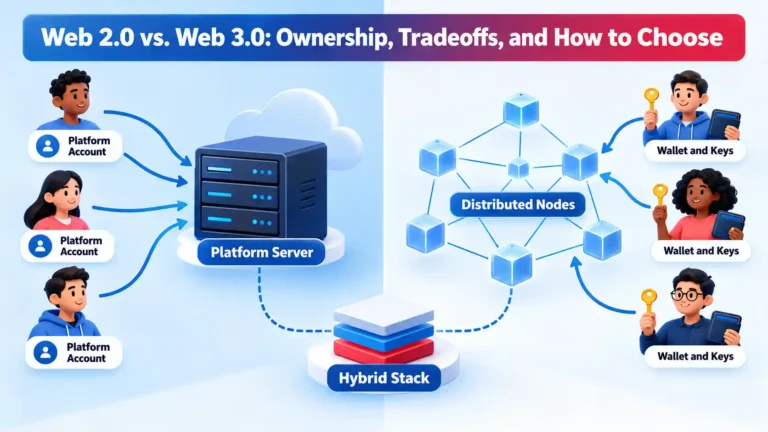
Web 2.0 vs. Web 3.0: Ownership, Tradeoffs, and How to Choose
Web 2.0 and Web 3.0 are trust-model choices, not generations. This comparison covers architecture, ownership, identity, monetization, governance, performance, and risk — then gives conditional decision rules by reader type and product layer.
 Updated
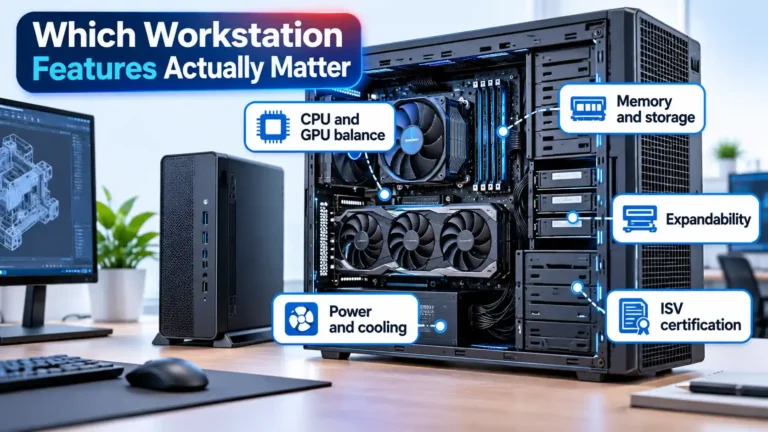
Business Workstation Features That Matter in 2026
A business workstation should be chosen by workload, certification, balanced components, upgrade path, and site conditions. This explainer breaks down the six feature areas that decide a purchase, the order to evaluate them, and the assumptions that lead buyers into expensive mistakes.
 Updated
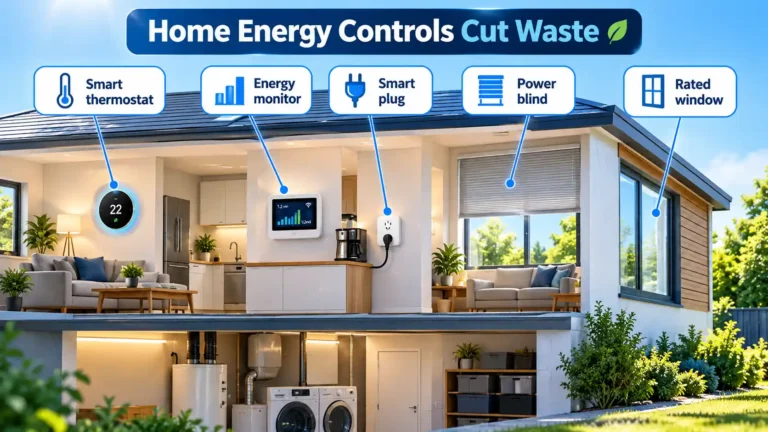
How Home Energy Controls, Monitors, and Efficiency Upgrades Can Help You Reduce Waste and Manage Bills
Home energy technology works best as a disciplined layer around your largest loads. Learn to separate controls from monitors from efficiency upgrades, start with heating and cooling, check compatibility and certified ratings, and verify results before spending more.